
What are MUDs and PIDs? A North Texas Homebuyer's Guide
If you’ve been home shopping in North Texas, especially in newer communities, you’ve probably come across the terms MUD and PID in the fine print. And if you were like me the first time I saw them, you might’ve thought: Wait, what am I paying for here?
Let’s break it down in plain English. This is everything you need to know about MUDs (Municipal Utility Districts) and PIDs (Public Improvement Districts), plus the pros and cons of each so you can feel confident before you buy.
💧 What is a MUD?
A MUD, or Municipal Utility District, is a special governmental entity created to provide utilities like water, sewer, and drainage to communities that aren’t fully serviced by the city. MUDs are most common in new or fast-growing developments where the infrastructure hasn’t caught up yet.
The cost of creating all that infrastructure? It gets passed on to homeowners through higher property taxes (yes, even if you’re already paying county or city taxes). Over time, as the MUD pays off its debt, those taxes typically decrease.
🌳 What is a PID?
A PID, or Public Improvement District, is a little different. It’s a financing tool that allows a city or developer to fund specific public improvements in a defined area (think nicer landscaping, upgraded entrances, streets, trails, lighting, and even extra security.)
Homeowners in a PID pay an annual assessment (usually listed on your property tax bill), but unlike MUDs, the assessment is not based on your home’s value, it’s a set amount. The goal is to make the neighborhood more attractive and well-maintained, which can help property values.
✅ Pros and Cons of MUDs
✅ Pros:
-
You’re getting in early in a brand-new neighborhood.
-
Many MUD neighborhoods have newer homes with modern features.
-
Over time, the tax rate may go down as the infrastructure is paid off.
❌ Cons:
-
Property taxes are typically higher than average.
-
The MUD board may not be locally controlled, especially early on.
-
Taxes may not go down for many years.
✅ Pros and Cons of PIDs
✅ Pros:
-
Neighborhoods often have nicer amenities and finishes (hello, resort-style pools).
-
PID payments are usually fixed and predictable.
-
Can boost curb appeal and long-term property value.
❌ Cons:
-
Annual PID fees are in addition to your property taxes.
-
PID terms can last 20+ years.
-
Not all buyers realize they’re in a PID. Always read the fine print!
🏠 So Which is Better?
Honestly, it depends on your priorities! If you’re looking for newer homes in a growing area, you might run into both MUDs and PIDs. Neither is “bad,” but you’ll want to factor those extra costs into your monthly budget and understand what you’re getting in return.
Working with a local real estate expert (me 👋) can help you break down exactly what your payment will look like and whether the benefits make sense for your goals.
Curious if a home you’re looking at has a MUD or PID?
Let’s chat! I’ll help you navigate all the details so there are no surprises at closing.
Categories
Recent Posts
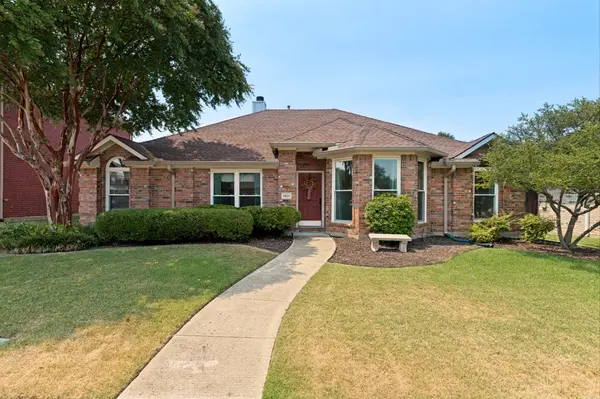
Exceptional Value in Eldorado Heights: A Closer Look at 3528 Snapdragon Lane

Looking for a Picturesque Neighborhood in Van Alstyne? Let's Talk About Mantua

What Are Closing Costs, and How Much Should I Actually Budget?

Is Now Actually a Good Time to Buy a House in North Texas

Why July Is One of the Best Months to Buy New Construction in North Texas

Perry Homes Is Coming to Mantua's New Phase: What Buyers Need to Know

Why Who You Work With Matters When Relocating to North Texas
Why My Job as Your North Texas REALTOR® Doesn't End at the Closing Table
8 Reasons to Choose Beth Lowry as Your North Texas REALTOR®
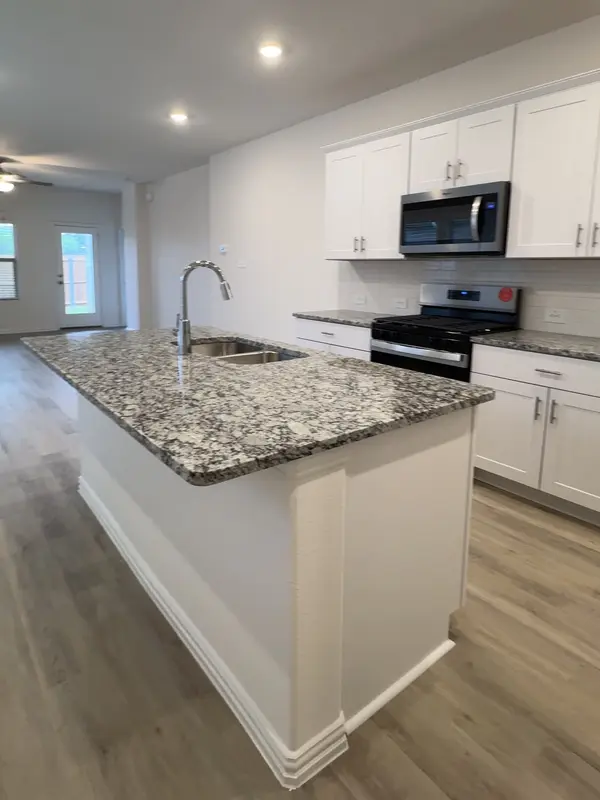
First-Time Buyers Just Closed on a Brand New Home. Here's How They Did It